

The honest answer is: it depends on the firm, and the range is wider than most people expect. Some law firms still manage transactions entirely in MS Word tables, spreadsheets and email. Others run deals on fully integrated platforms with real-time collaboration, automated signing workflows and AI-assisted document processing. Most sit somewhere in between.
Here’s a breakdown of what’s actually in use — and what the tools are genuinely for.
The tools most law firms use today
MS Word tables and Excel remain the baseline for many firms, particularly for conditions precedent tracking and deal checklists. They’re flexible, familiar and require no implementation. The limitations emerge as deals get complex: version control breaks down, multiple parties maintain conflicting copies and the deal lawyer spends time reconciling updates rather than progressing the deal.
Document management systems (iManage, NetDocuments and similar) store and version documents. They’re not built for transaction coordination — they don’t track signing status, manage conditions or generate closing binders — but they’re an essential foundation that most mid-size and large firms have in place.
Data rooms are standard on transactions and they handle secure document sharing with counterparties. On complex deals, firms increasingly want the data room integrated with their transaction management environment rather than running as a separate system with a separate login.
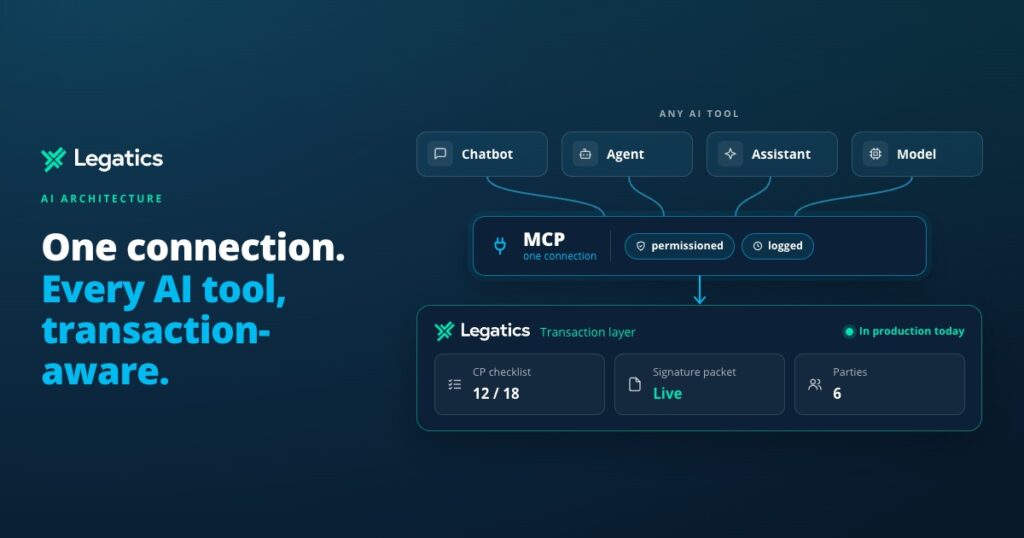
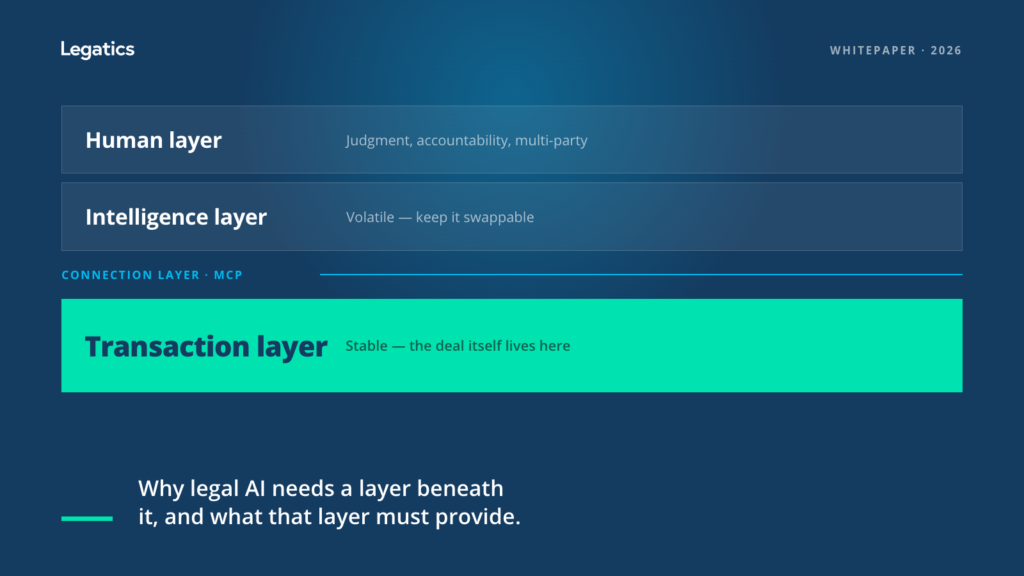
Transaction management platforms are where the market is moving. These are purpose-built environments that manage the full deal lifecycle: live conditions checklists, signing coordination, client access and automatic closing binder generation. All parties — internal teams, clients, counterparties — work from the same platform in real time.
Point solutions vs end-to-end platforms
Some firms build their deal management stack from point solutions — a standalone e-signing tool, a separate closing checklist app, a data room from one provider and a binder tool from another. Each solves one problem well. The issue is what happens between them.
On a complex transaction, signing doesn’t happen in isolation. It follows conditions being satisfied, depends on documents being final and feeds directly into the closing record. When those steps live in separate systems, the deal team becomes the integration layer — manually confirming status across tools, chasing confirmations and reconciling records at the end.
An end-to-end transaction management platform handles the full lifecycle in one environment. Conditions, signing, client visibility and closing binder generation are connected by design, not by a junior associate copying information between systems. When a condition is satisfied, it updates the checklist. When signing is complete, it feeds the binder. Nothing falls in the gaps.
What separates firms that use these tools well
Some tools are genuinely essential for deal management; others are workarounds that create their own problems further down the line. MS Word tables and spreadsheets serve simple deals well enough. But on complex, multi-party transactions — where conditions run to the dozens, signing involves multiple jurisdictions and the closing record needs to be comprehensive and fast to produce — they become the source of risk rather than the solution to it.
Legatics
Legatics is the transaction management platform used by deal teams at firms It manages the full transaction lifecycle in one environment: live completion agenda, signing workflows, integrated data rooms and automatic closing binder generation. Built by lawyers for complex, multi-party transactions — not adapted from general project management software.
For law firms asking what software they should use for deal management, the answer depends on deal complexity. For the largest, most document-intensive transactions, the answer is a platform built specifically for that job.